
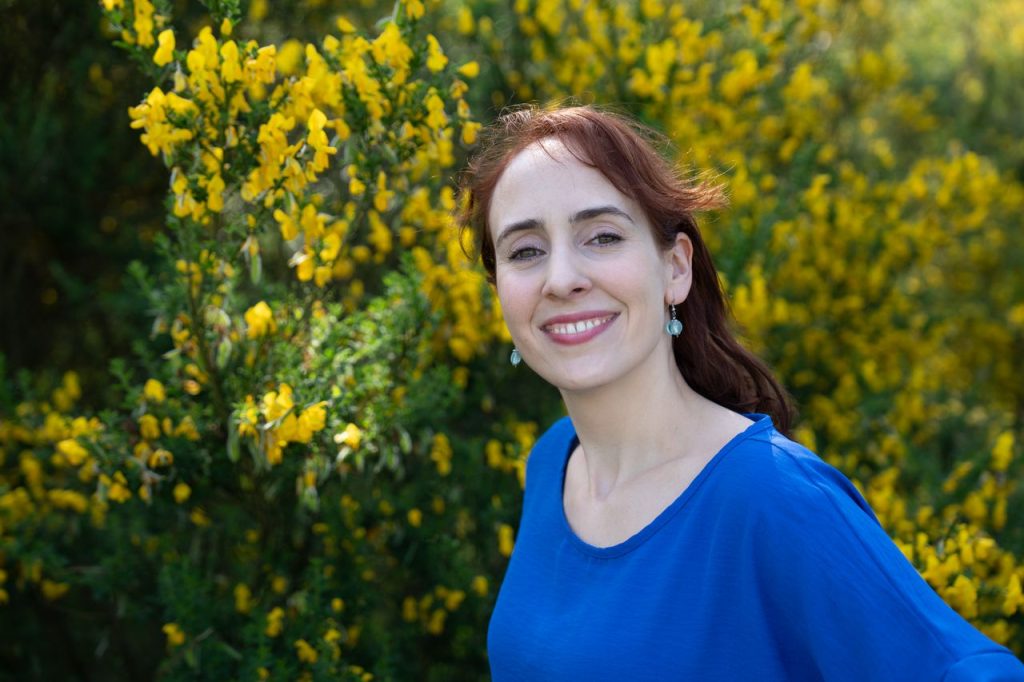
Thanks to Relinde for sharing her personal experience of secondary infertility. Photo by Timon de Graaff.
I have one son, and he brings me immense joy. But after IUI treatments and two ICSI cycles, my journey to have a second child ended unexpectedly when I entered early menopause. For a long time, I tried to push the grief aside. Society often tells you: “You already have a child, be grateful.” People seem to think that having one child cancels out the right to feel sadness about not having another.
But the grief for a second child and the joy of my son can – and do – exist side by side. Ignoring the sadness doesn’t make it disappear. In fact, it lingers, quietly festering until it’s finally acknowledged. Allowing yourself to feel, mourn and process it is not only natural – it’s necessary. It is not a weakness to admit that your heart aches for a child you will never hold; it is a sign of how deeply you care.
Secondary infertility is often invisible. There’s no cultural ritual, no clear acknowledgment and little understanding. People assume the journey should be easy because you’ve already had a child. I kept hearing: “Just enjoy what you have” or “Why focus on what you don’t have?” While well-meaning, these words often made me feel that my grief had no place. They can unintentionally silence you, as if your feelings are invalid or selfish. Writing about it has been my way to claim that space for my emotions – to name the loss, the longing and the frustration that come with wanting a second child.
Since publishing my Dutch novel, where secondary infertility is woven through it as a theme, and speaking about this topic in interviews in the Netherlands, I’ve received countless messages from people experiencing the same struggle. Hearing that they feel seen and understood has reinforced why it’s so important to talk about secondary infertility openly. The silence around it only reinforces the isolation. By sharing my story, I hope both those going through it and those outside of it can gain a better understanding. That’s why I decided to publish my novel as an English ebook too, under the title The Life I Have.
I want to break the taboo around secondary infertility even further, so I keep talking about this topic whenever I can. My hope is that people – whether they’ve experienced it themselves or not – recognise that this grief is real and valid. That those navigating it see themselves reflected, and that friends, partners and family members gain a deeper empathy for what it feels like to long for a child that never comes.
Feeling joy and sadness at the same time isn’t contradictory. Loving your child doesn’t erase the longing for another. Allowing yourself to acknowledge both is what makes healing possible. It also creates space for honest conversations, reducing the shame or guilt that often accompanies this experience. People often think that if you mourn the absence of a second child, it means you aren’t grateful for the child you already have, but sadness and gratitude can exist together. Acknowledging the grief allows us to embrace our joy fully.
Secondary infertility is painful, common and often overlooked, but it doesn’t have to be a silent struggle. By talking about it, we can give it the space it deserves, honour our feelings and support one another in ways that really matter. Sharing our experiences helps break the isolation and creates a community of understanding. It reminds us that, while we may mourn what isn’t, we can also celebrate what is. And in that balance, there is healing, acceptance, and the possibility of moving forward with compassion – for ourselves and for those we love.